

All About The Bamboo Mushroom
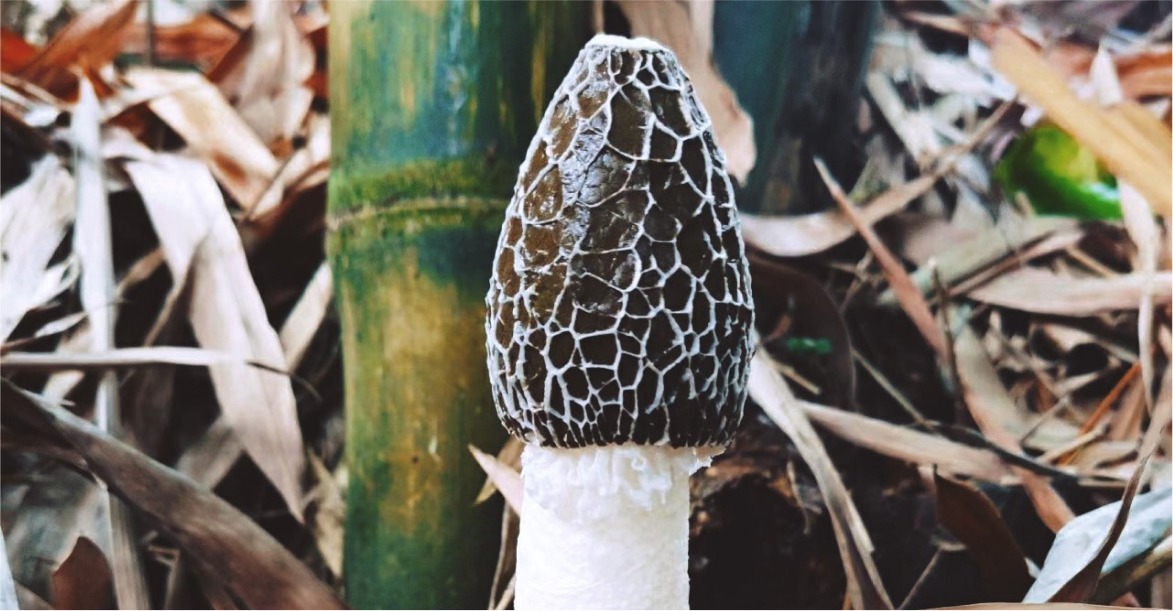
Bamboo mushroom, scientifically known as Phallus indusiatus, is a unique and fascinating mushroom species with distinctive characteristics. They are easily recognizable by their tall, slender, and cylindrical fruiting bodies. The cap is bell-shaped and covered with a delicate, lacy, skirt-like structure called the indusium, which hangs from the cap’s edge. The indusium is a distinguishing feature of this mushroom and gives it a unique appearance.
Bamboo mushrooms are typically found in tropical and subtropical regions, often emerging from the ground near bamboo groves or decaying organic matter. They are commonly found in parts of Asia, including China, India, and Southeast Asian countries.
Bamboo mushrooms are highly regarded in Asian cuisine, particularly in Chinese and Thai cooking. They are known for their delicate flavor, which is described as slightly nutty and sweet. They are prized for their unique texture, which is both crisp and tender. Usually they are used in soups, stir-fries, hot pots, and various other dishes. Meanwhile, it is a good source of dietary fiber, vitamins, and minerals. These mushrooms are also known for their potential health benefits, including immune-boosting properties and antioxidant content.
In some Asian cultures, bamboo mushrooms are associated with good luck and prosperity. They are often used in festive and celebratory dishes, making them a symbol of abundance and happiness.
Recentlly, it can be cultivated, but it require specific growing conditions which involves providing a suitable substrate, humidity, and temperature conditions to mimic their natural habitat.
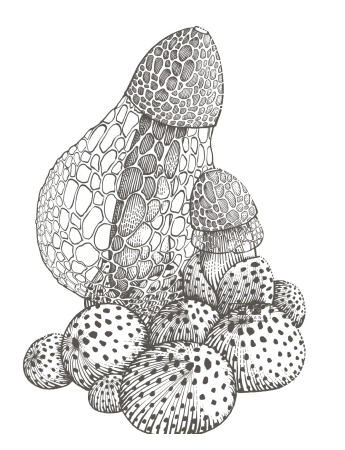
Queen of Wild Fungis
Termitomyces mushrooms are often foraged in the wild, and some species are considered superior in flavor and culinary value, earning them the nickname “king of wild fungus”
History
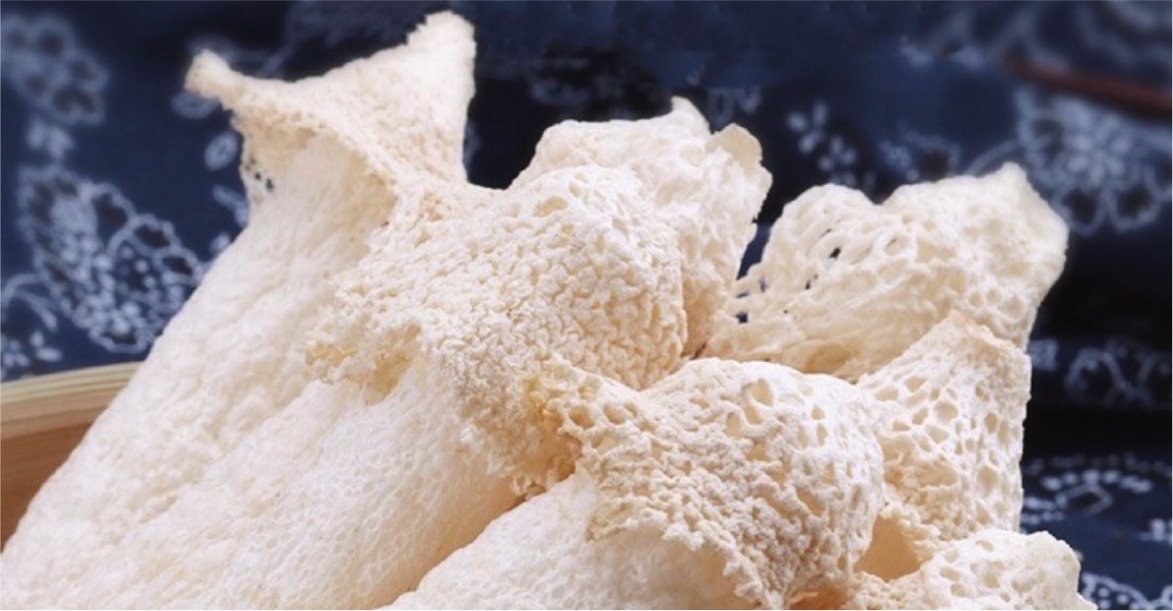
Bamboo mushrooms have a long history of culinary use in Asian countries, particularly in China and Thailand. Ancient Chinese texts and records, such as the “Compendium of Materia Medica” by Li Shizhen (16th century), mention the use of bamboo mushrooms in cooking. They have been used in traditional Chinese medicine for centuries. They are believed to have various health benefits, such as promoting kidney health, enhancing the immune system, and improving overall well-being.
Historically, bamboo mushrooms were primarily foraged in bamboo groves and forested areas during their natural growing season, which typically occurs during the rainy season in tropical regions. They were collected by local communities and incorporated into regional cuisines. With the increasing demand for bamboo mushrooms, efforts have been made to cultivate them commercially. Cultivation techniques have been developed to mimic the natural habitat and growing conditions of bamboo mushrooms, allowing for year-round availability.
Although, bamboo mushrooms have deep roots in Asian culinary traditions, such as including soups, stir-fries, hot pots, and vegetarian meals, they have gained recognition and popularity in other parts of the world. They are now exported and enjoyed by people who appreciate their unique taste and culinary versatility.
How do people find bamboo mushrooms?
Bamboo mushrooms have specific growing seasons that vary depending on the region. It grow in association with bamboo plants, so a keen eye is needed to spot them. They have unique shape, which includes a slender stem and a delicate, lacy “skirt” hanging from the cap.
Farmer foraging for bamboo mushrooms doesn’t typically require digging tools. Instead, use a knife or scissors to gently cut the mushrooms from their base, and leave some behind to allow the mushrooms to release spores and reproduce.
Bamboo mushrooms from around the world
Bamboo mushrooms are prevalent in Southeast Asian countries such as Thailand, Malaysia, Indonesia, and the Philippines. They are often used in traditional cuisine and are valued for their unique flavor and texture.
China is a significant producer and consumer of bamboo mushrooms. They are used in various Chinese dishes, including stir-fries, soups, and hot pots. Bamboo mushroom cultivation is also common in China.
In India, bamboo mushrooms are known as “Keezhani” or “Kallan.” They are found in the southern states of Kerala and Tamil Nadu. These mushrooms are used in traditional South Indian recipes.
Bamboo mushrooms are found in some parts of South America, including Brazil. They may be used in local cuisine or exported to other regions.
Some African countries have reported the presence of bamboo mushrooms, although they may not be as widely consumed as in Asian countries.
In regions with a tropical or subtropical climate, bamboo mushrooms are often found during the rainy season, which can occur between late spring and early autumn. This period is characterized by increased rainfall and higher humidity, creating favorable conditions for the growth of bamboo mushrooms.
The exact months of the bamboo mushroom harvest season can vary from one location to another. In some areas, it may begin as early as May or June and extend into September or October.
Bamboo mushrooms are sensitive to moisture, so it is crucial to maintain the right humidity level. The ideal temperature for storing bamboo mushrooms is around 32 to 36°F (0 to 2°C). In HNG, bamboo mushrooms are stored in dehydrated and freeze-dried, so it can be stored for one year and rehydrated when needed for cooking.
Bamboo mushrooms are valued for their potential health benefits. They are low in calories and fat, making them a healthy addition to the diet. They provide essential vitamins and minerals, contributing to overall health and well-being.
The antioxidants found in bamboo mushrooms may help reduce oxidative stress and lower the risk of chronic diseases.
Bamboo mushrooms are known for their umami flavor, which is savory and rich. They can add depth and complexity to soups, stir-fries, and braised dishes. The texture of bamboo mushrooms is somewhat crunchy when cooked, and they can add a textural contrast to dishes with softer ingredients like tofu or seafood.
Bamboo mushrooms have a subtle natural sweetness that can balance the overall flavor of a dish. This sweetness can complement the savory and salty elements in recipes.
Bamboo mushrooms have a refreshing quality, making them suitable for light and fresh dishes. They can be used in salads, clear broths, and dishes that highlight their clean taste.
In some preparations, bamboo mushrooms can develop a slight nutty undertone. This nuttiness can be enhanced when they are sautéed or roasted.
 English
  Chinese