
All About The Termite Mushroom Paste

In tropical regions, termite mushrooms have a symbiotic relationship with certain termite species. As a food source, termites cultivate these mushrooms in their underground colonies. In exchange, the fungi aid in decomposing plant matter, making it more digestible for termites.
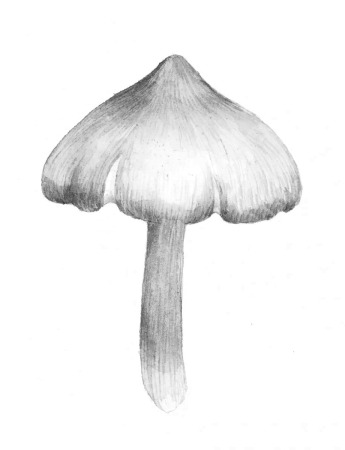
Termite mushrooms differ in appearance but have distinguishing characteristics. Depending on the species, their crowns can range in color from light to dark brown and in size from small to quite large. The cap of the mushroom may have a textured or scale-like surface.
The majority of termite mushrooms are located in tropical and subtropical regions, particularly in Africa, Southeast Asia, and parts of South America. They flourish in balmy, humid conditions.
Termite mushrooms are an excellent source of fiber, protein, and minerals. They are exceptionally abundant in potassium, phosphorus, and iron. In addition, they contain vitamins like niacin (vitamin B3). In some cultures, termite mushrooms have been used as both sustenance and traditional medicine for centuries. They are believed to have a variety of health benefits, including improving digestion and bolstering the immune system.
In cultures where Termite mushrooms are consumed, they are frequently incorporated into soups, stews, stir-fries, and other dishes. Their flavor is described as earthy and savory, and they impart a distinctive flavor to dishes.
It is crucial to note that while Termite mushrooms have cultural and nutritional significance in some regions, they may not be widely available or well-known in other areas. If you encounter Termite mushrooms and intend to consume them, it is essential to be familiar with their identification, as some mushroom species are toxic.
King of Wild Fungis
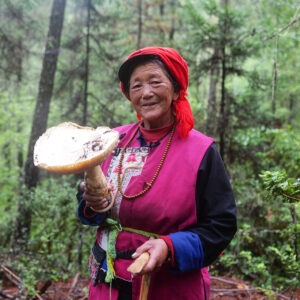
Termitomyces mushrooms are often foraged in the wild, and some species are considered superior in flavor and culinary value, earning them the nickname “king of wild fungus”
History

Indigenous communities have historically consumed termite mushrooms. Frequently, these mushrooms grow in close proximity to termite colonies, forming a symbiotic relationship with the termites. Indigenous peoples, particularly in Africa and Southeast Asia, have recognized the utility of termite mushrooms as a source of food. Indigenous communities have extensive knowledge concerning the identification, collection, and preparation of Termite mushrooms. This information has been handed down through the generations and is an integral part of their cultural heritage.
Termite mushrooms are commonly used in traditional cuisine, contributing their unique flavor and health benefits. Soups, stews, curries, and stir-fries feature them frequently. In some cultures, they are considered a delicacy. In recent years, the termite mushroom has acquired popularity outside of its native range. Incorporating these mushrooms into innovative and fusion cuisine, chefs and culinary enthusiasts have began experimenting with these mushrooms.
To protect both the mushroom and termite ecosystems, however, the sustainable harvesting of Termite mushrooms is essential. For the preservation of these valuable resources, sustainable practices and conservation efforts are becoming increasingly acknowledged as indispensable. Attempts have been made, for instance, to study and cultivate termite mushrooms outside of their natural habitat in order to gain a deeper understanding of their development conditions and nutritional content.
How do people find truffle?
Termite mushrooms are known to grow in association with termite mounds. These mounds are often made of soil and termite saliva, creating a unique environment for mushroom growth. Termite mushrooms have specific growing seasons that vary depending on the region and environmental conditions. Locals who are experienced in harvesting these mushrooms know when to start looking for them. In some places, Termite mushrooms appear during the rainy season. Once a termite mound is located, people visually inspect the area around the mound. Termite mushrooms have distinct features, such as a cap that can vary in color and size. Skilled foragers can recognize these features and distinguish Termite mushrooms from other fungi.
Harvesting Termite mushrooms requires care to avoid damaging the mushrooms and the termite mound. Foragers may use a small shovel, knife, or their hands to gently unearth the mushrooms. It’s important to avoid harming the termite mound to allow for future mushroom growth.
Termite mushrooms from around the world
Termite mushrooms are widely distributed across the African continent. They are particularly popular in countries such as Nigeria, Cameroon, Ghana, and parts of Central and West Africa. In these regions, they are known by various local names and are an essential part of traditional cuisine.
Termite mushrooms are found in countries across Southeast Asia, including Thailand, Cambodia, Laos, Myanmar, and Vietnam. They are a prized delicacy in this region and are often used in traditional dishes.
In South Asia, Termite mushrooms are known to grow in countries like India, Sri Lanka, and Bangladesh. They are used in various culinary preparations, and their harvesting is often associated with the monsoon season.
Some species of Termite mushrooms are also found in northern parts of Australia. They are known to grow in association with termite mounds and are consumed by Indigenous Australian communities.
Termite mushrooms have been reported in parts of South America, including the Amazon rainforest. They are consumed by indigenous communities and are often found near termite nests.
The harvest season of termite mushrooms generally aligns with the rainy season in tropical and subtropical regions. However, the specific timing can vary locally, and it is often associated with the presence of termite activity and termite mounds.
In many regions, the peak harvest season for termite mushrooms occurs during the transition from the late summer to early autumn months. This period follows the onset of the rainy season when the soil is moist and conducive to mushroom growth.
Termite mushrooms are often wild-harvested. Harvesters may have traditional knowledge about when and where to find these mushrooms based on their observations and experience to ensure the sustainability of termite mushroom harvesting.
Fresh termite mushrooms have a short storage life and must be eaten or preserved quickly. Proper storage techniques preserve flavor and texture for future culinary applications. HNG relies on modern food techniques such as dehydration, freeze-drying, and paste-making to maximize the mushroom’s flavor
Termite mushrooms are a good source of protein, making them an important dietary component, especially in areas with limited access to animal protein sources. They can help meet protein needs, particularly for vegetarians. Termite mushrooms are relatively low in fat, which can be beneficial for those looking to maintain a low-fat diet.
It also provide essential vitamins and minerals, including B-vitamins (such as riboflavin and niacin), vitamin D, calcium, and phosphorus. These nutrients are important for various bodily functions, including energy metabolism and bone health.
Some studies suggest that termitomyces mushrooms may possess antioxidant properties due to the presence of bioactive compounds. Antioxidants help combat oxidative stress and may have potential health benefits.
The flavor and aroma of termite mushrooms can vary depending on the species and how they are prepared. Termite mushrooms are known for their earthy flavor, which can be reminiscent of the forest floor. This earthiness is often accompanied by a mild sweetness.
It also may have subtle woody notes, which can enhance their overall earthy character.
Many termite mushroom species have a pronounced umami taste, which is often described as savory and meaty. This umami quality adds depth and richness to dishes.
Some termite mushrooms, when properly cooked, can develop nutty notes in their flavor profile. This nuttiness can be subtle but adds an extra layer of complexity.
The texture of termite mushrooms is unique, often described as spongy or sponge-like. This texture can absorb the flavors of other ingredients in dishes.
 English
  Chinese